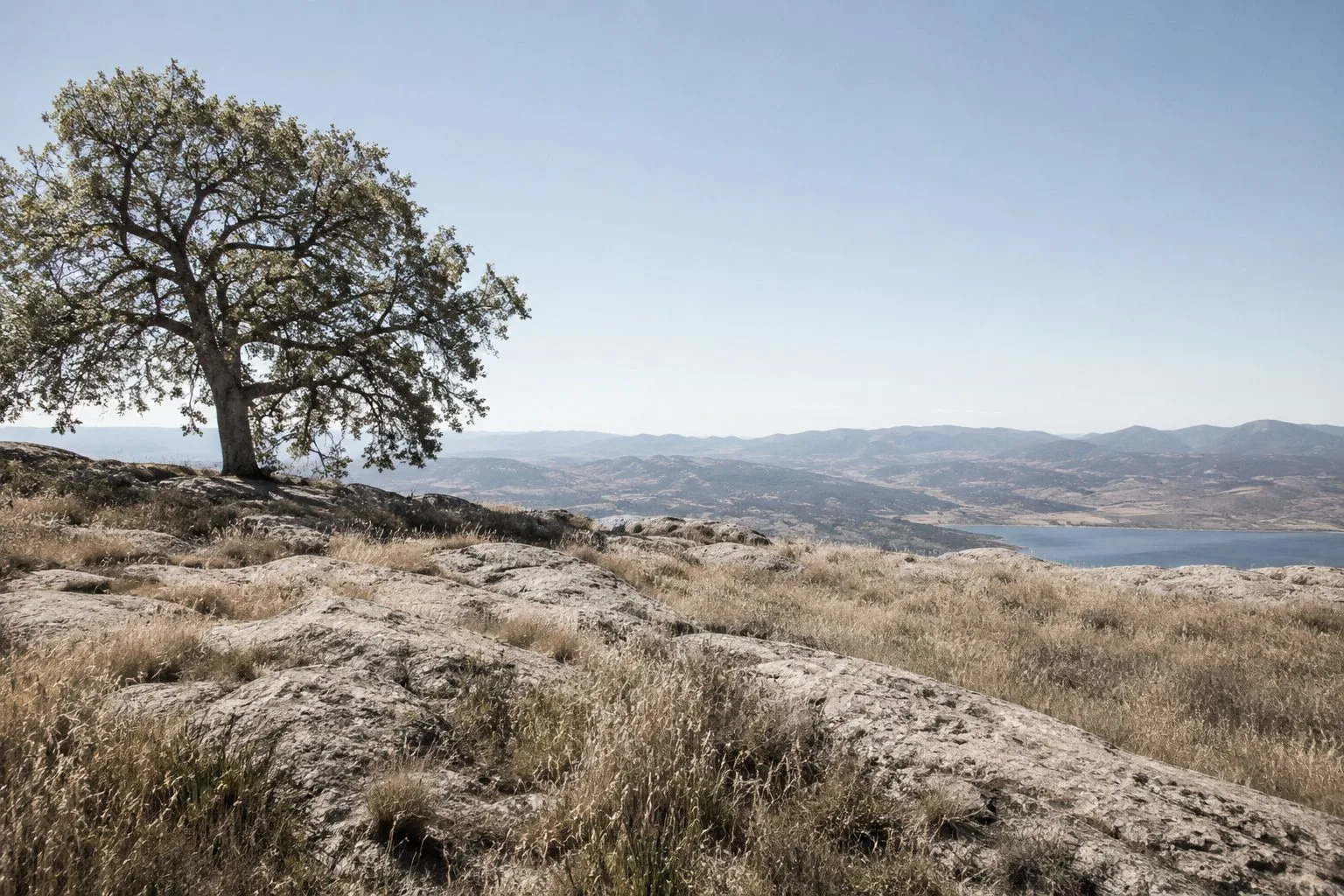
iFig. 05a
Land & Homesites
Raw land, finished lots and difficult-to-read parcels. Siting, arrival, views, architecture and landscape working together.

Site-specific concepts, photorealistic imagery and presentation-ready Vision Books for exceptional land, homes and residential developments.
One study, shown in full · 18 Nob Hill, West Lake Hills TX
A vacant hilltop parcel is difficult to understand from a survey, an aerial photograph and a listing description. This study developed one coherent possibility: a low, stone estate organized around the view, with a sheltered arrival, a central courtyard and a restrained material palette.

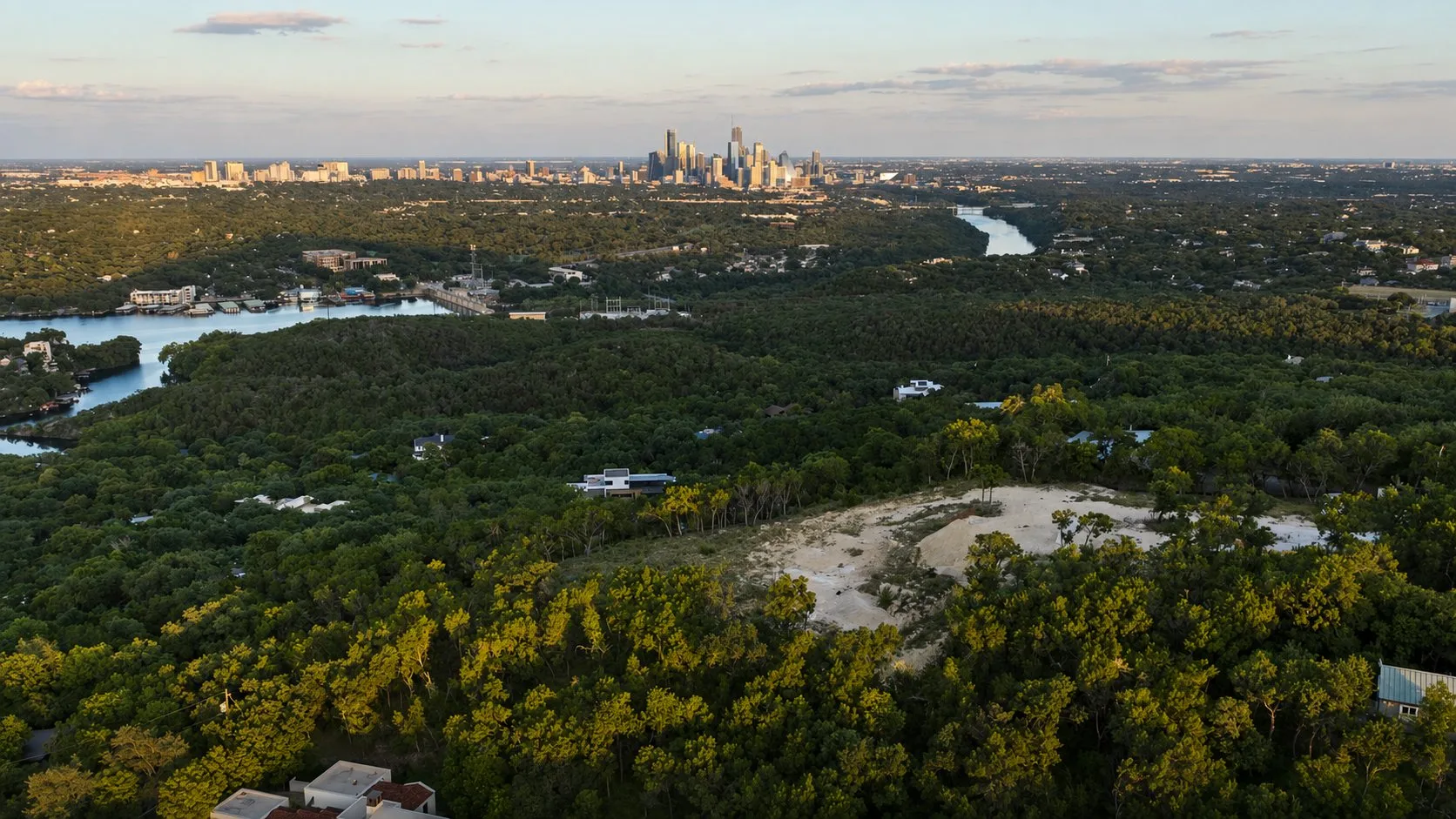
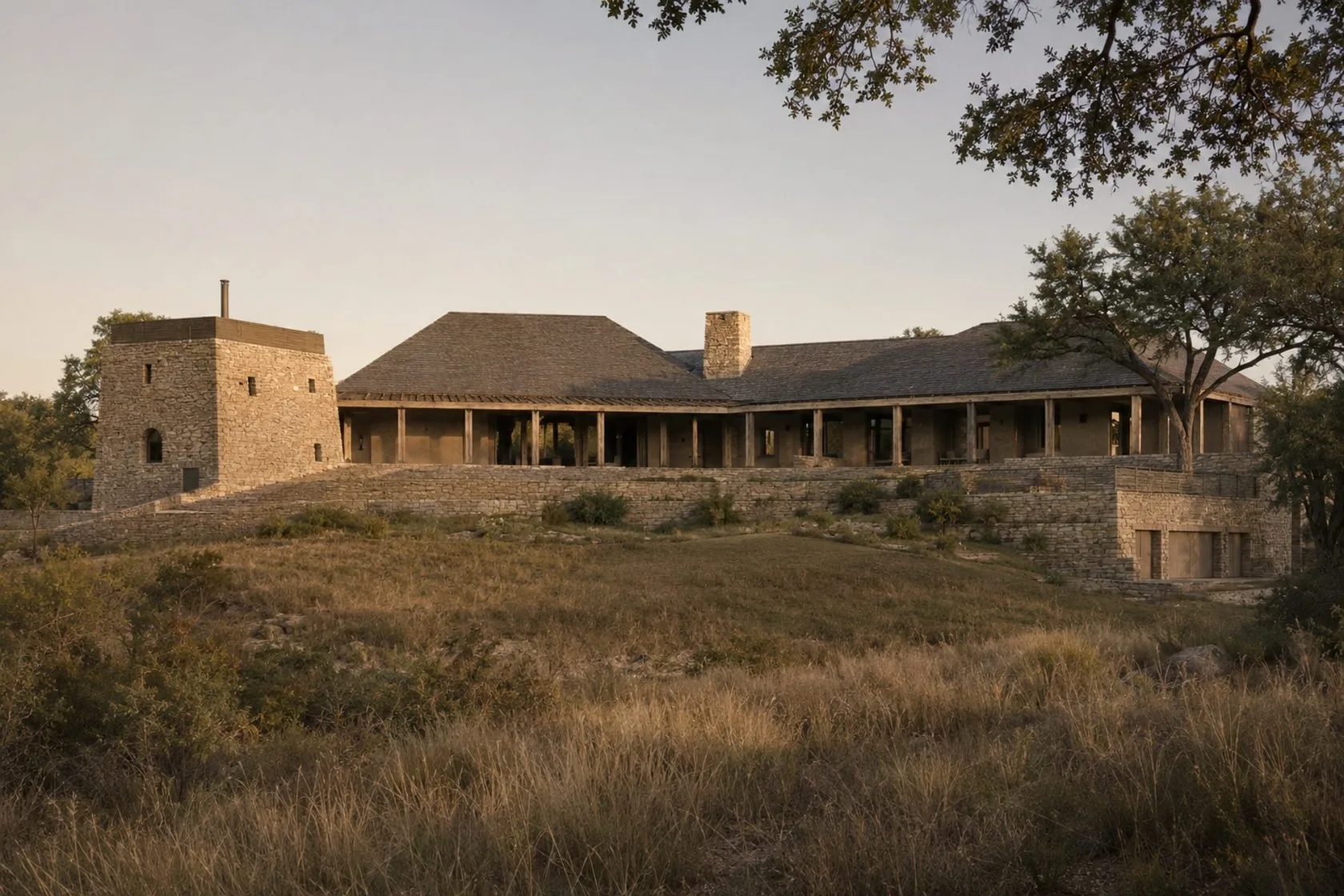

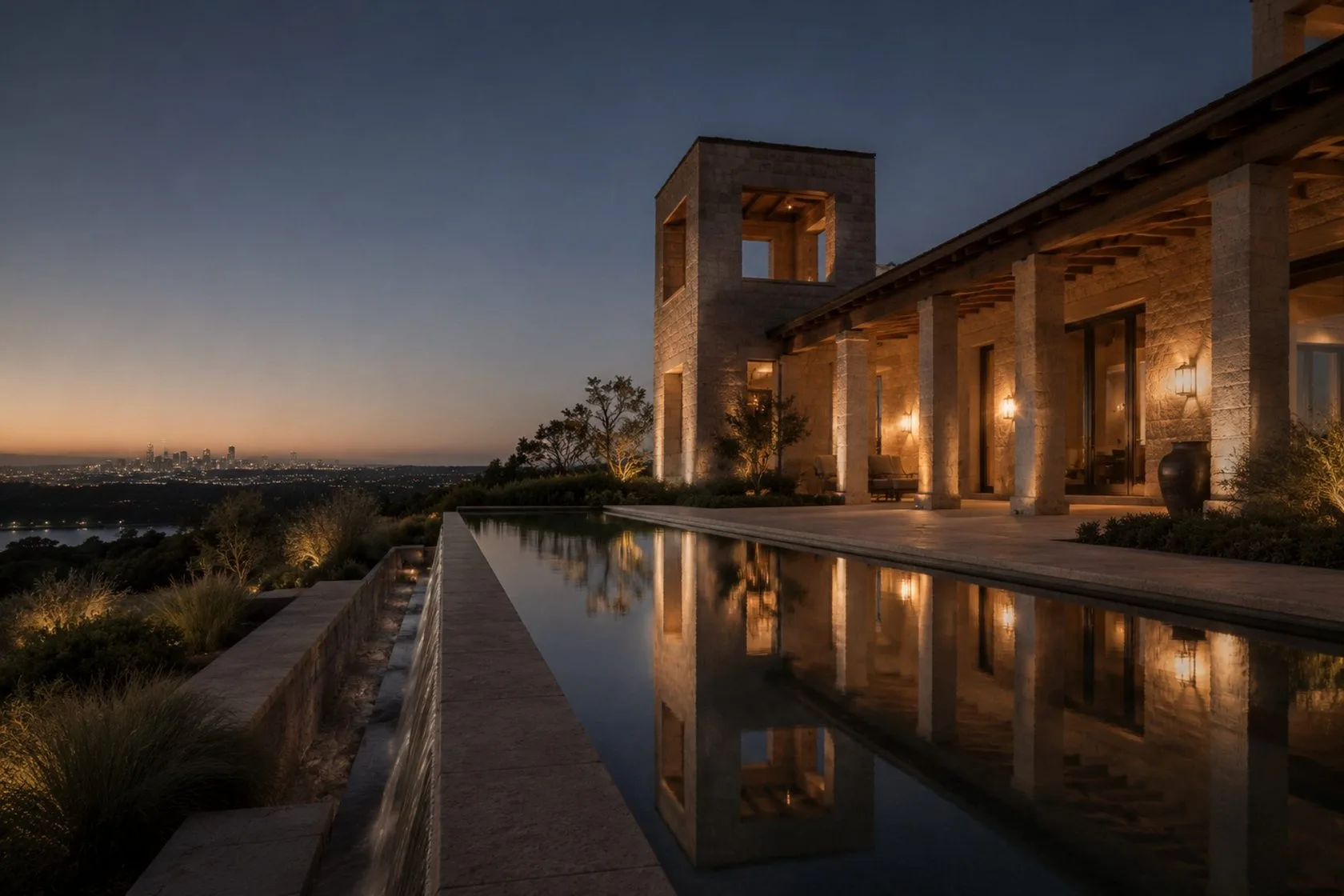
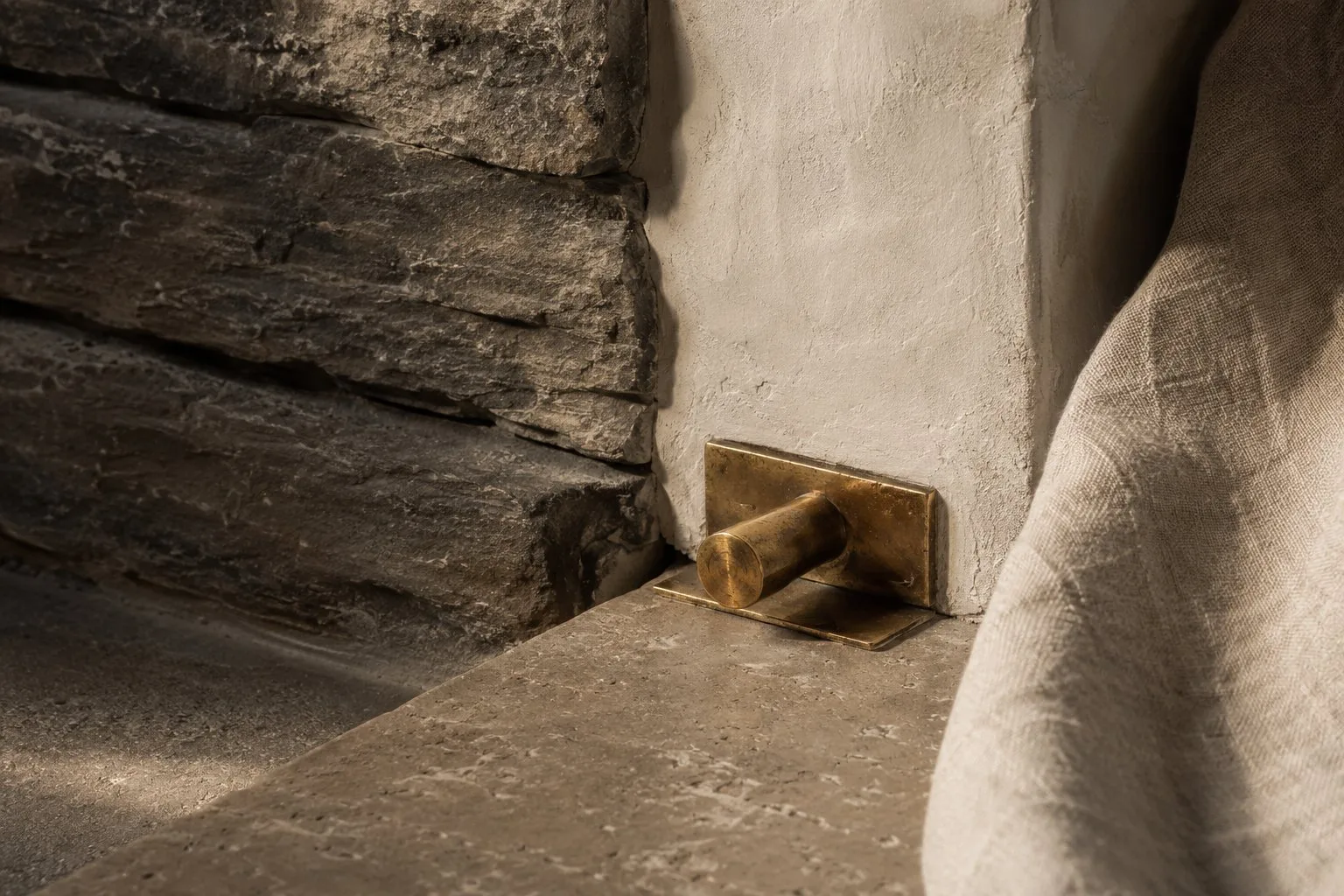

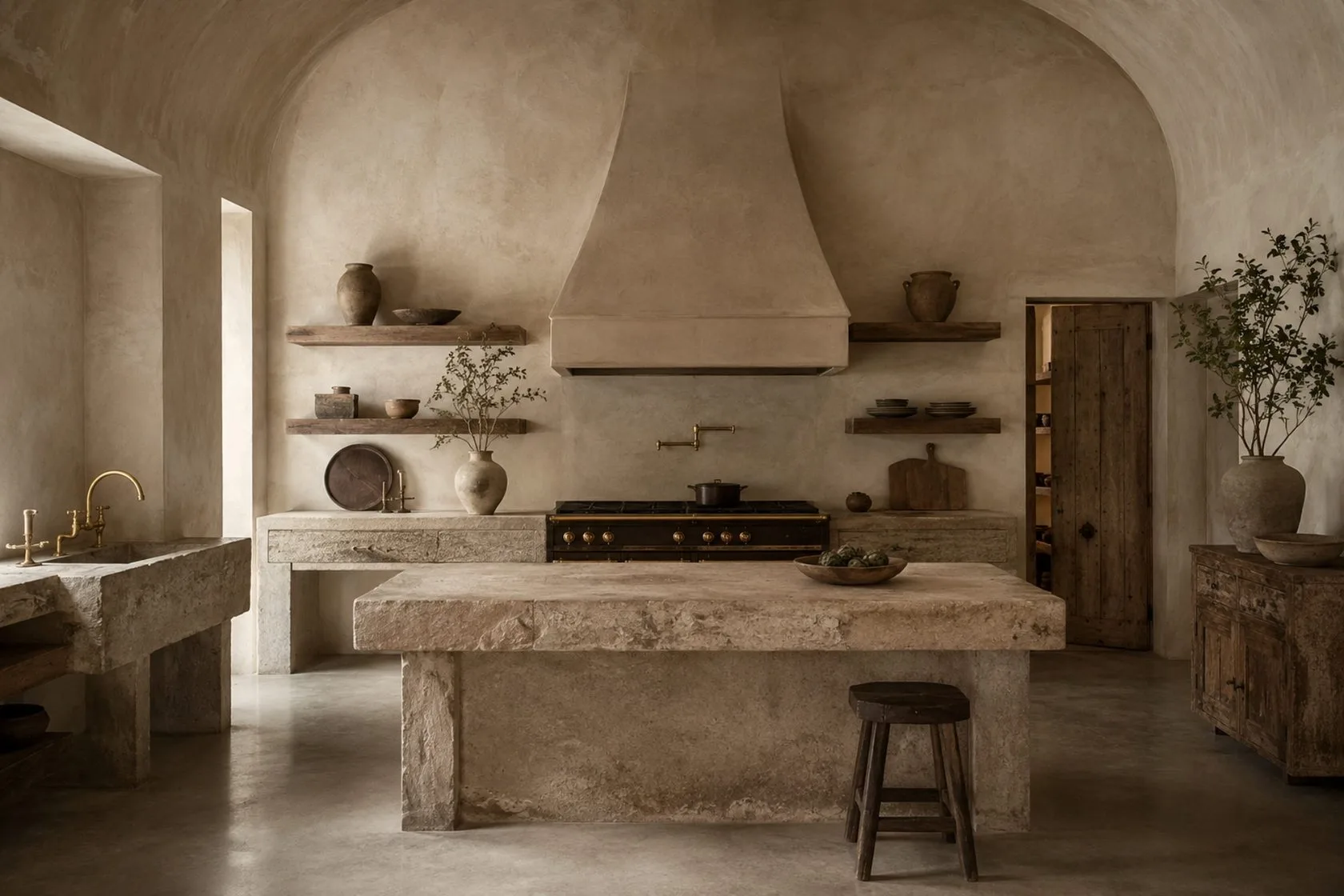
The site, view corridors, arrival and constraints become the starting brief.
Raw land offers too little to see. A dated house can hide what is worth keeping. A new residential community may have a plan but no coherent character. In each case, the opportunity is real, but it is difficult to explain.
Cedarglow turns that ambiguity into a visual point of view. We study the property, define a site-specific concept, create the images and language that explain it, and assemble the work into a Vision Book that can be used in a decision, a presentation or a marketing effort.
A Vision Book is the step between a property and a full professional design process.
Every engagement is tailored to the property and the people who need to understand it. A typical Vision Book may include:
The location, context, audience, goals, existing conditions and central questions that should guide the work.
A proposed program, relationship to the site, architectural character, material palette and landscape cues.
Exterior, interior, arrival, landscape, aerial or master-plan views selected to explain the concept clearly.
Concise, professional language that gives the idea a point of view for buyers, partners and stakeholders.
A refined digital Vision Book, with optional bound editions and formatted imagery for presentations and marketing.
The assumptions made, questions still open and specialists likely to be needed next, from local architects to cost consultants.
Different properties, the same central problem: the opportunity is difficult to see until someone gives it form.
Raw land, finished lots and difficult-to-read parcels. Siting, arrival, views, architecture and landscape working together.
Dated, incomplete or compromised homes with meaningful underlying value. What to preserve, what to change, how it could feel.
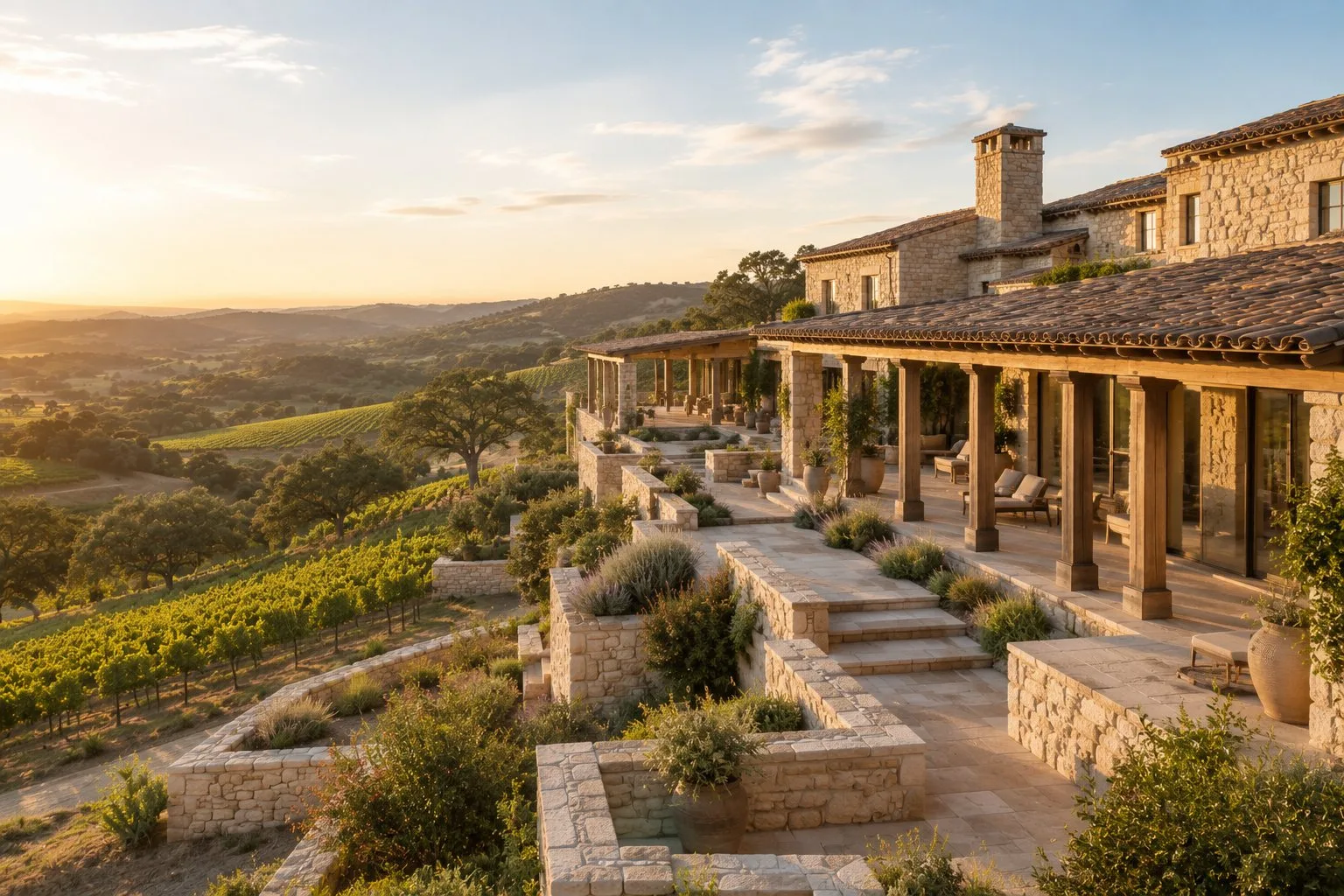
Large acreage: residence, guest houses, barns, equestrian, hospitality, conservation or a multi-generational compound.
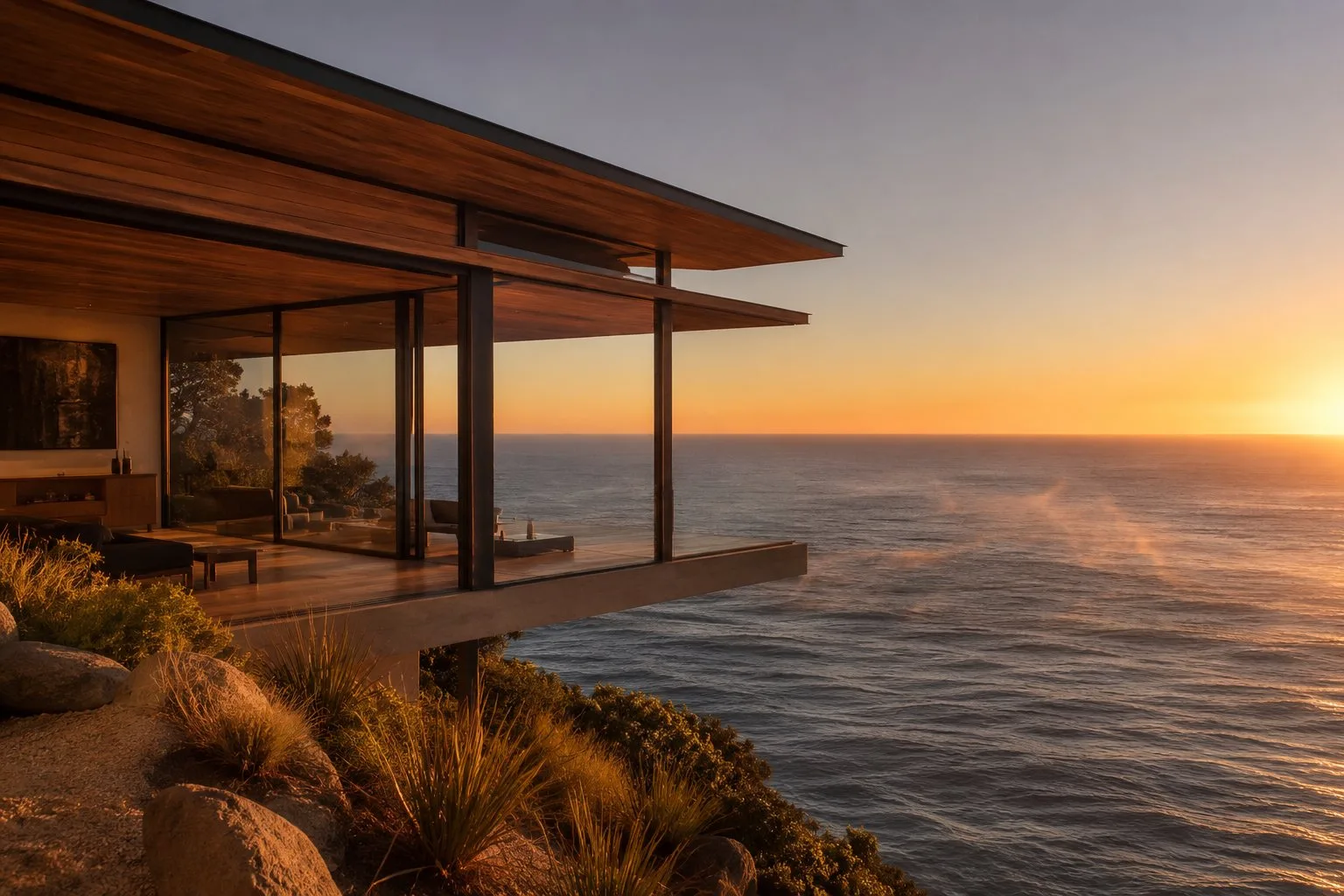
Founder-stage clubs and resort communities. Architectural character, home types, arrival, amenities and visual language.
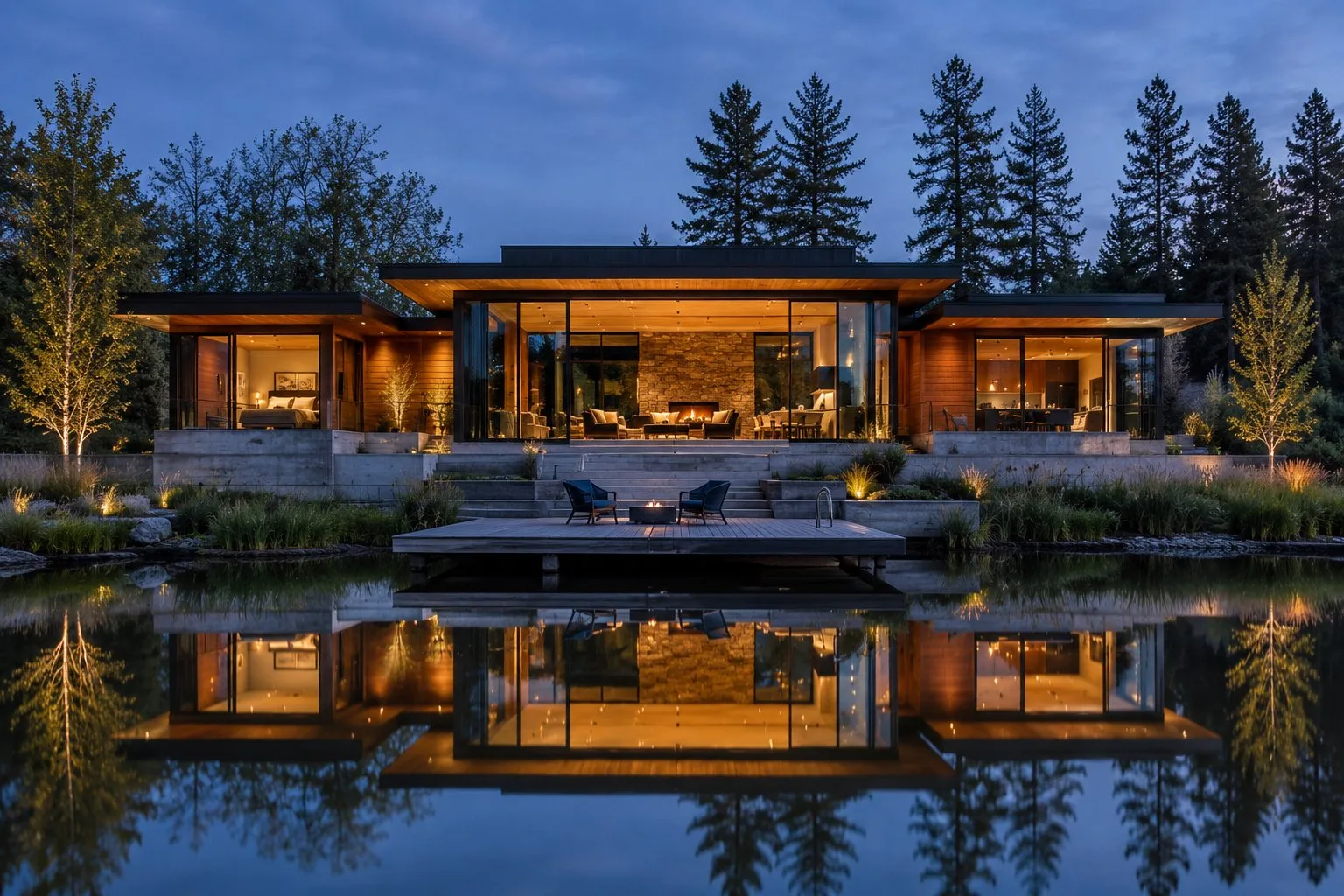
Boutique communities and larger projects. A coherent family of homes without making every residence feel the same.
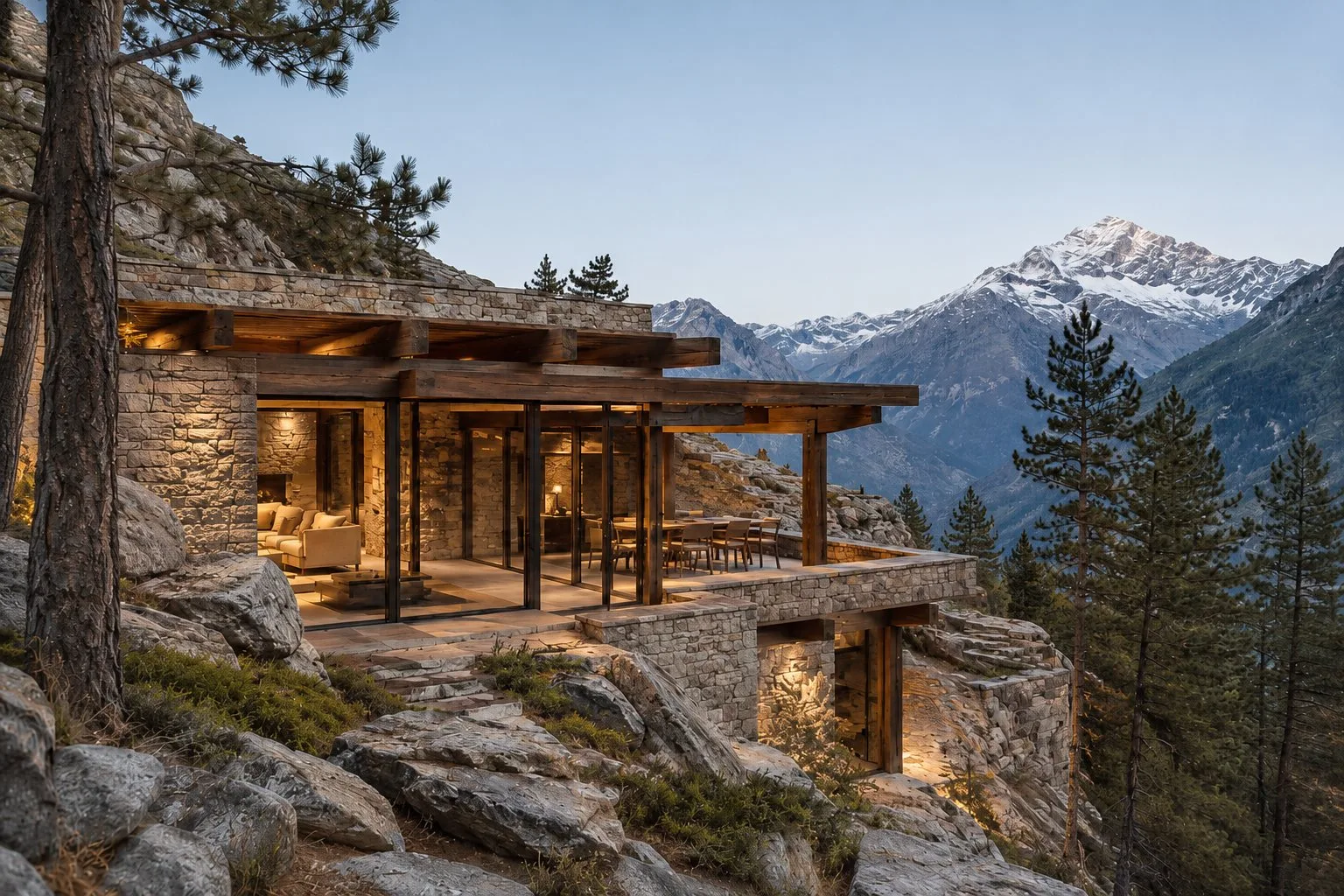
Across markets, where reliable site information and appropriate local professional input are available.
| Engagement | Typical scope | |
|---|---|---|
| The Property StudyFor a lot or listing | Property brief · One design direction · Two to four key views · Concise narrative · Digital presentation | Request a scope |
| The Vision BookFor an estate or private project | Program and site direction · Exterior and interior imagery · Material and landscape language · Property narrative · Digital and optional bound editions | Request a scope |
| The Development StoryFor a development | Positioning and audience · Architectural family and home types · Arrival and amenity concepts · Key development imagery · Brand narrative and launch-material framework | Discuss a development |
| Property WebsiteAdd-on · Any engagement | The Vision Book imagery and narrative as a single-property site · Private or public access · Custom domain, hosting and handoff | Add to a scope |
Engagements are scoped individually based on property size, source material, number of concepts and images, required research and intended use.
A typical single-property engagement is planned over approximately one to three weeks after receipt of complete source materials.
The property, the decision in front of you and the audience the work needs to reach.
Program, priorities, design character, visual language and the assumptions that guide the concept.
The site and design direction, and the views needed to explain it.
Imagery and written narrative, refined through the agreed revision rounds.
A presentation-ready Vision Book, with agreed formats and optional printed editions.
Early property decisions are often divided among designers, marketers and real estate professionals, even though the strongest concepts require all three perspectives at the beginning.

More than a decade at Cornerstone Architects across significant residential and mixed-use projects. Allie leads the design direction of each study.

Brand strategy and marketing for Gatorade, Planters, International Delight and other national brands. Evins turns a concept into a clear, memorable story.

Real estate investing, lending and capital markets at Deutsche Bank, Hyatt Hotels and Eureka Holdings. Stephen keeps the work grounded in how decisions are made.
No. Cedarglow creates early-stage concepts, imagery and presentation materials. The work can help define a direction before an architect is engaged or complement an architect’s existing design. Construction documents, code compliance, permitting and professional services must be provided by properly licensed professionals.
No. The work is developed around a real property and the information available to us, but local architects, engineers, surveyors, planners, contractors and public authorities must confirm site constraints, code, approvals, constructability and costs.
When useful, we can organize broad, preliminary planning ranges based on stated assumptions and identified contractor, cost-consultant or market inputs. These ranges are not bids, appraisals or guaranteed estimates and should not be relied upon in place of professional pricing.
The best starting materials are a survey or site plan, topography if available, photographs, aerials, existing plans, listing information, known restrictions and a clear description of the intended use. We can begin with less, but the quality of the source material affects the level of specificity possible.
Yes, when marketing use is included in the engagement. Conceptual images should be identified accurately, and all usage is subject to the rights and terms established in the proposal.
Yes. Cedarglow can lead an early vision exercise or work from an existing design. The most effective role is defined at the beginning so responsibilities are clear and the final material is consistent.
Yes. Cedarglow works nationally and can take on international assignments when the project has sufficient source information and access to appropriate local professionals.
Tell us where it is, what stage it is in and what decision the Vision Book should help advance.
Every property is reviewed personally. Write to us directly — a few lines and a link to what you have is enough to begin.
Email hello@cedarglow.studioAttachments of any size are welcome by email. Inquiries are handled consistent with the Privacy Policy.
